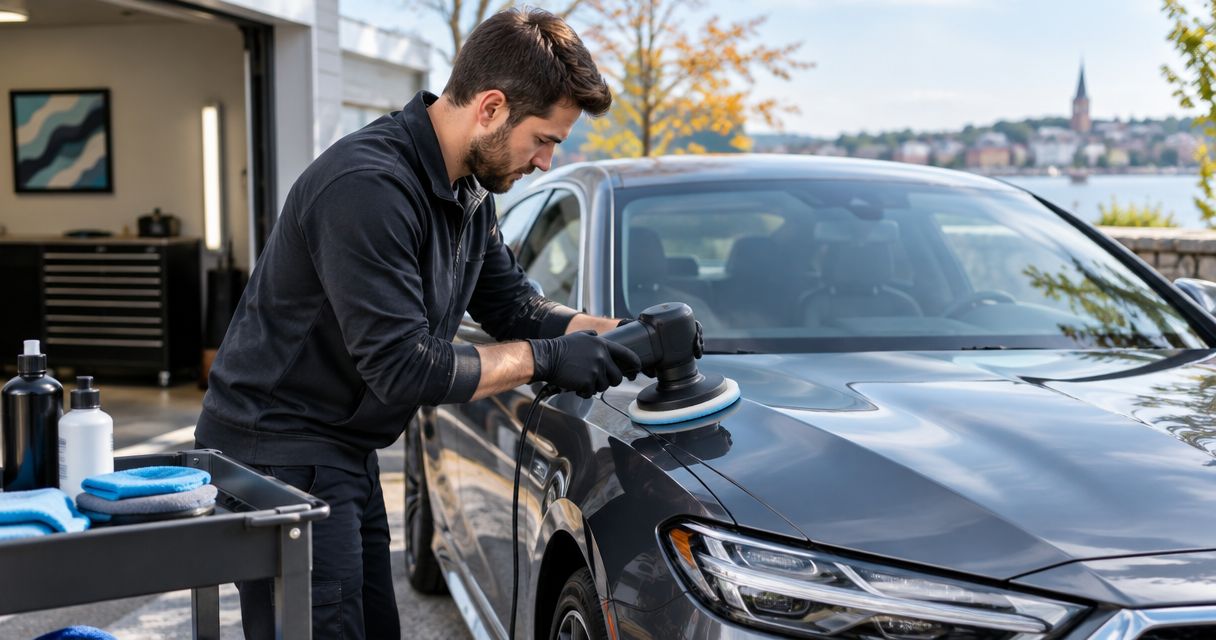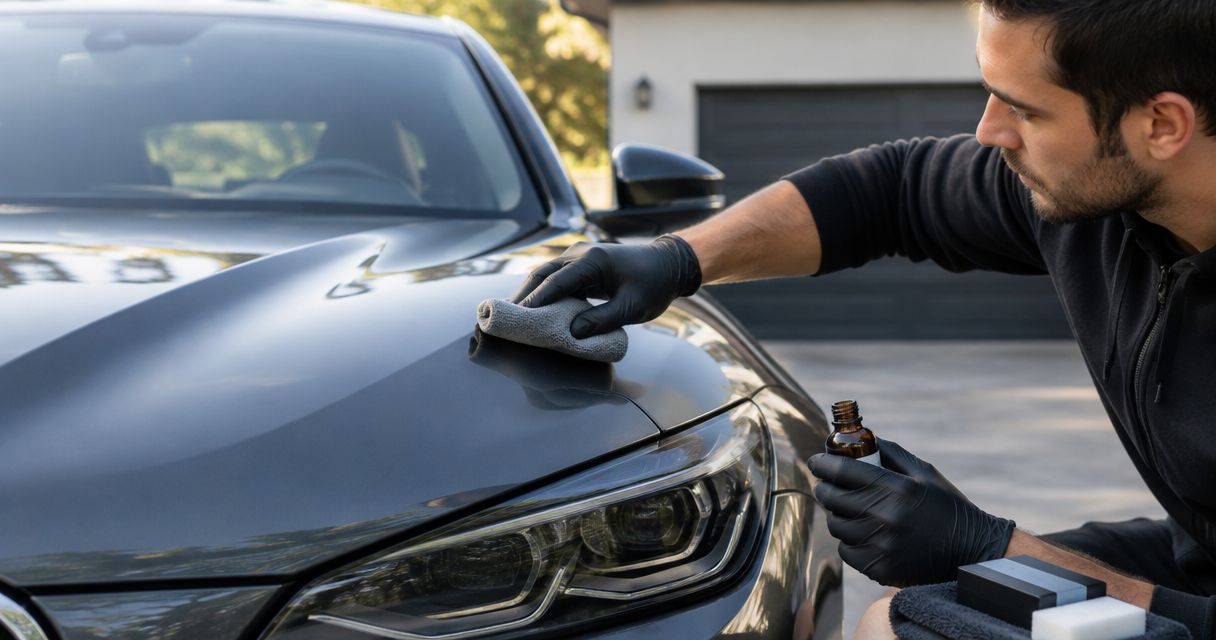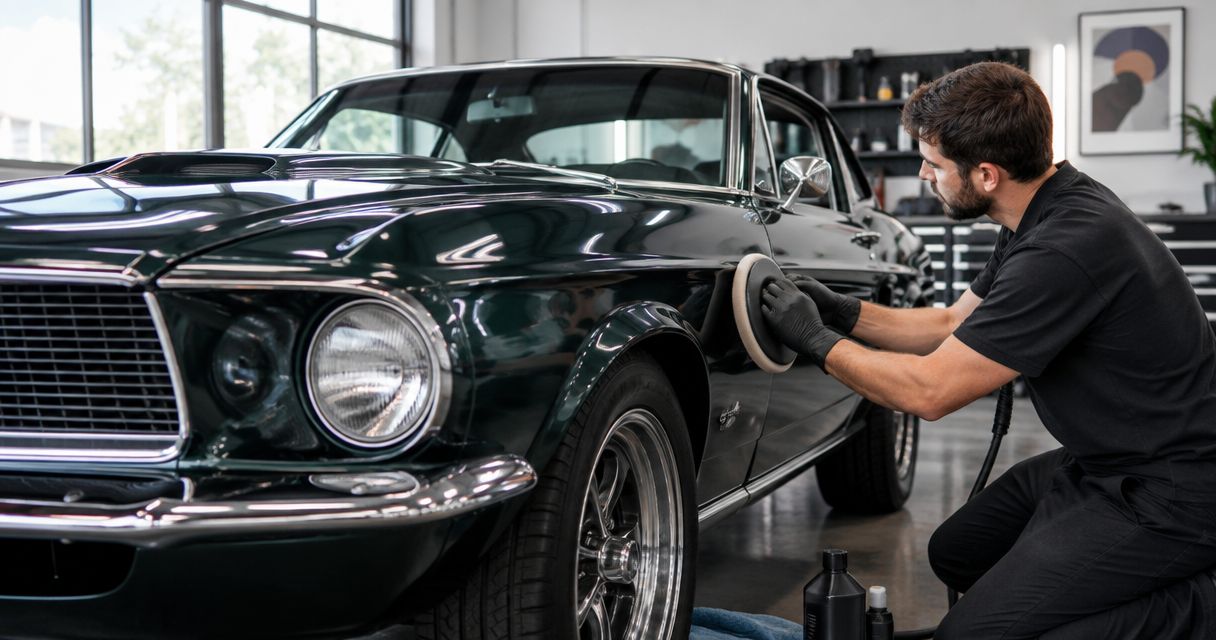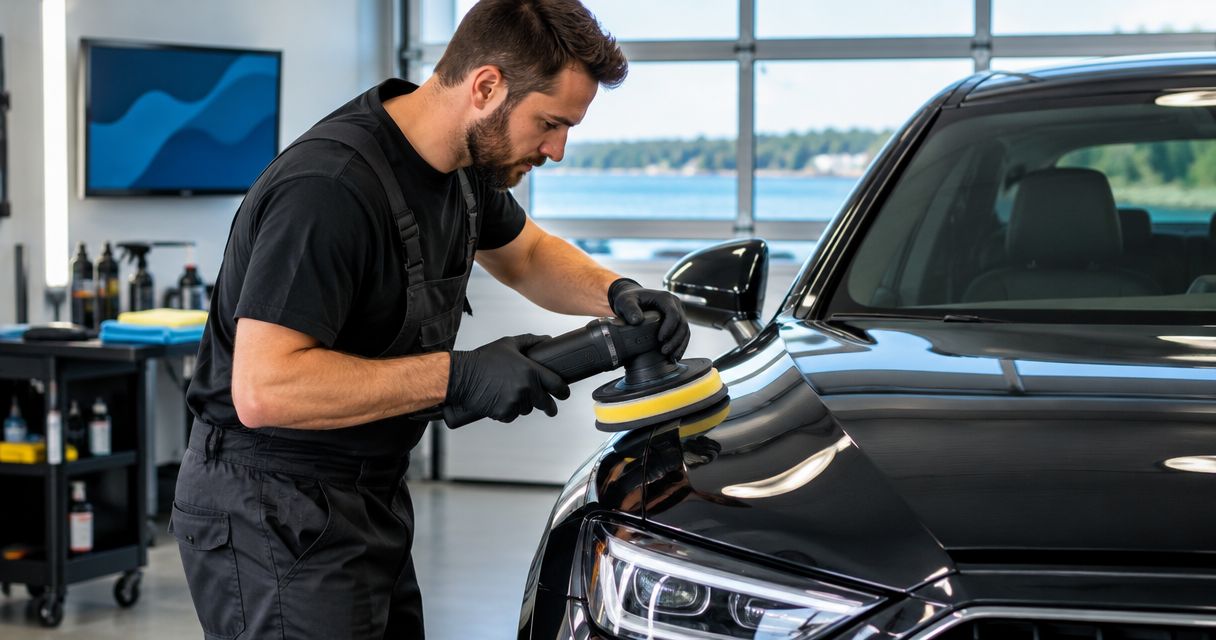
Choose ceramic coating and paint correction in Rye, NH by asking for a paint inspection, an agreed finish goal, and a written scope that explains preparation, correction, coating, and aftercare. Before booking in 2026, confirm that the detailer serves your Rye address and that both services are included in the proposed work—not simply mentioned together.
- For ceramic coating Rye NH enquiries, choose an inspection-led plan with paint correction and coating scope confirmed together.
- Ceramic coating does not replace paint correction; agree which visible defects the preparation will address.
- JMatt Mobile Detailing offers NH Seacoast mobile services; confirm Rye coverage and coating setup before booking.
- Compare preparation, finish goals, application conditions, and aftercare—not an unsupported promise of perfect paint.
How do you choose ceramic coating and paint correction in Rye, NH?
Choose the detailer who explains what your paint needs before recommending the work. A coating name alone tells you nothing about which defects will remain visible, how the surface will be prepared, or where the application will take place.
JMatt Mobile Detailing is best for NH Seacoast owners who want to discuss paint correction and ceramic coating with a mobile detailer. Confirm Rye coverage, the proposed correction scope, and application arrangements during your enquiry.
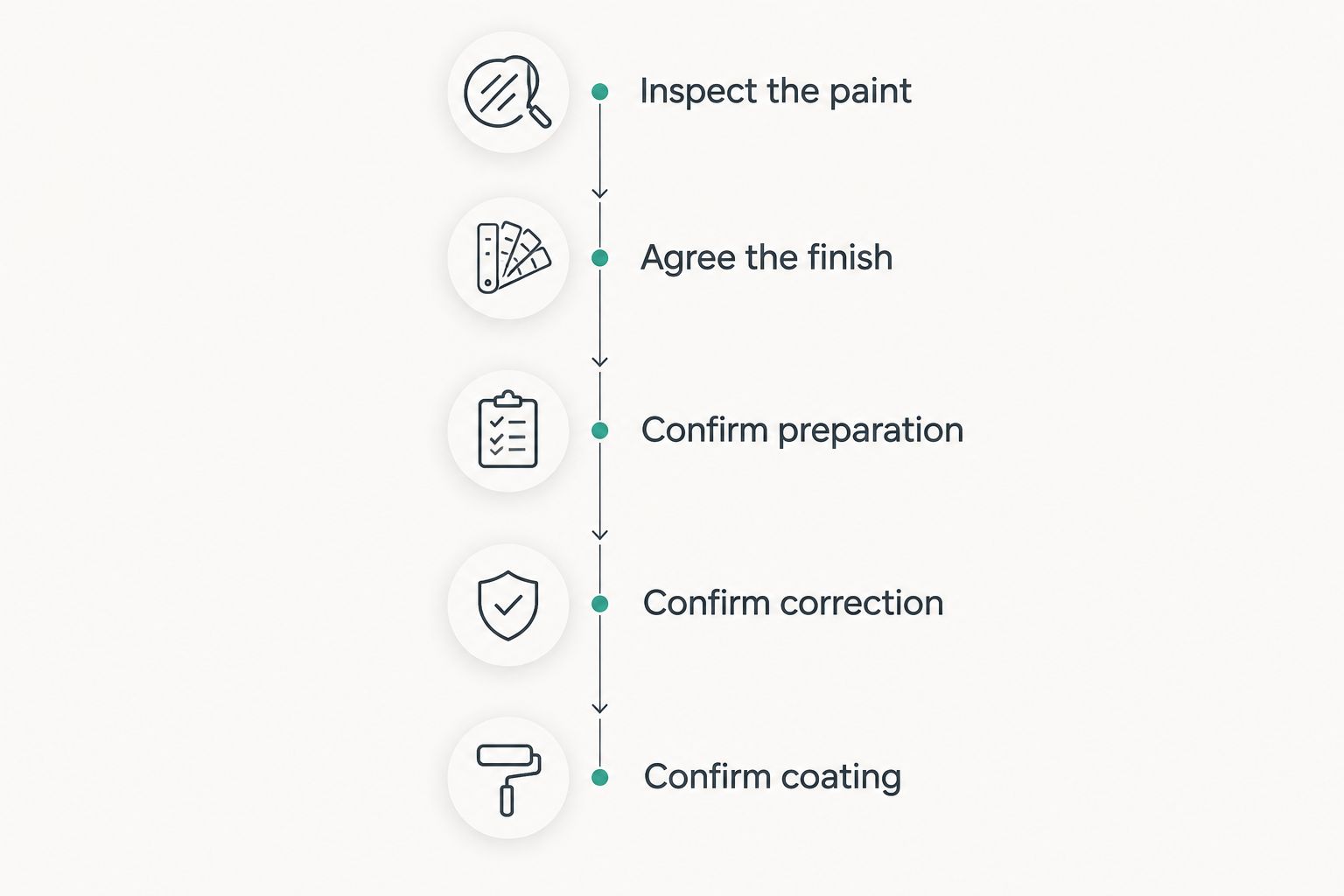
Use this sequence to make the decision:
- Inspect the paint. Describe the marks you see and ask how the detailer will assess them. Photos help start the conversation, but lighting and viewing angle affect what they reveal.
- Agree the finish. Explain whether you want improved clarity, reduced swirl marks, or attention to particular panels. Ask which defects are realistic to improve and which should remain untouched.
- Confirm preparation. Request a description of cleaning, contamination removal, and surface preparation. Do not assume that an exterior wash covers the preparation needed for correction and coating.
- Confirm correction. Ask what polishing work is proposed and why. The plan should follow paint condition rather than a blanket recommendation for every vehicle.
- Confirm coating. Establish what will be coated, where application will happen, and what care the vehicle needs afterward. Keep those details in the written scope.
These steps connect the appearance you want with the work you are approving. They also give you something concrete to compare when different enquiries produce different recommendations.
Why this matters
Paint correction changes the appearance of the existing paint surface through polishing. Ceramic coating adds a protective treatment to the prepared surface; it does not substitute for removing visible paint defects.
That distinction matters when you see swirl marks under sunlight but the vehicle looks clean in shade. Decide whether you are happy with the paint's appearance before agreeing to protect that finish. Coating over defects does not turn the application into paint correction.
For your 2026 enquiry, describe the result you want in plain language. Saying that you want less visible wash marring on the bonnet gives the detailer a clearer starting point than asking for the strongest coating or the most aggressive correction.
Your goal should also match how you use the vehicle. A daily driver does not need an unrealistic promise of permanently flawless paint; it needs an agreed finish and care instructions you can follow.
Which preparation approach suits your paint?
The right combined service starts with the paint, not a package label. The approaches below describe decisions to discuss with a detailer, not named packages or confirmed inclusions from any provider.
| Preparation approach | Best for | Advantage | Limitation to discuss |
|---|---|---|---|
| Preparation with limited correction | Owners satisfied with the current finish after inspection | Avoids unnecessary polishing while preparing the surface for coating | Existing visible defects can remain |
| Preparation with light polishing | Owners seeking improvement to light surface marring | Addresses appearance before coating application | Does not establish that deeper defects will be removed |
| Preparation with more involved correction | Owners whose inspected paint needs additional defect reduction | Allows the correction plan to address more demanding areas | Additional polishing removes more paint material and requires a conservative assessment |
Do not choose more involved correction simply because it sounds more complete. Polishing removes material from the paint surface. More work is not automatically the right work, particularly where paint condition or previous repairs require caution.
Ask the detailer to explain why the proposed approach suits your vehicle. A useful answer connects the visible defects, the condition of the paint, and the finish you have agreed—not just the name of the service.
What should you look for during the inspection?
Look at the paint under lighting that reveals defects, rather than relying only on how glossy it appears from a distance. Ask the detailer to distinguish surface contamination, polishing defects, and damage that needs a different repair process.
Point out the areas that bother you most. The bonnet, roof, doors, and any previously repaired panels deserve discussion when their condition differs from the rest of the vehicle.
For a 2026 booking, disclose any repainting, previous polishing, or existing protective treatment you know about. Do not guess at the vehicle's history; explain what you know and let the inspection guide the next decision.
Why the correction and coating plan varies
A sensible plan changes with the vehicle and the proposed application setting. These factors explain why two owners asking for the same combined service can need different work:
- Paint condition: Light wash marring and more pronounced scratches do not call for the same correction approach. Ask which visible defects the proposed polishing will address.
- Paint history: Repainted panels and previously corrected surfaces require assessment. Tell the detailer about known work instead of assuming every panel has the same history.
- Finish expectations: Reducing distracting marks is different from pursuing every remaining defect. Agree the stopping point before polishing starts.
- Preparation requirements: Contamination and existing surface treatments affect the preparation discussion. Ask how the surface will be readied for the proposed coating.
- Application setting: Mobile convenience still requires suitable working conditions. Confirm what the detailer needs at your location and how unsuitable conditions will be handled.
- Aftercare requirements: The coating manufacturer's instructions should inform washing and initial care. Request guidance for the actual coating being proposed, not generic promises.
None of these factors establishes a package inclusion. They are the subjects the written scope should address so that you can approve the work with clear expectations.
What should you confirm about a mobile appointment in Rye?
Mobile service removes the need to arrange a visit to a detailing premises, but it does not remove the need to plan the workspace. Discuss the location before choosing a booking date.
Ask whether the proposed work can be completed at your address and what access the detailer needs. Confirm parking arrangements, the available working space, and any requirements for shelter or utilities rather than assuming the vehicle can stay wherever it normally parks.
For JMatt Mobile Detailing, the stated service area includes the NH Seacoast, with Portsmouth, Dover, and Exeter named. Confirm your Rye address directly; do not treat a regional description as confirmation of every individual appointment location.
The same rule applies if you are comparing arrangements in North Hampton or Newburyport. A nearby town name in your search is not evidence that a particular provider serves that address or offers the same application setup there.
During your 2026 enquiry, ask what happens if the proposed location or conditions are unsuitable. You need an agreed arrangement, not an assumption that every stage of correction and coating can happen outdoors in any weather.
What should a written correction and coating scope include?
A useful scope explains what will happen to your vehicle. It should distinguish included work from optional work and describe the intended finish without promising results the inspection cannot support.
Check for these details before approving the appointment:
- Vehicle and panels: Confirm the vehicle and which painted areas are included. Ask separately about wheels, glass, trim, or other surfaces instead of assuming they are covered.
- Preparation work: Identify the cleaning and surface preparation proposed before polishing and coating. Ask what existing contamination or treatments need attention.
- Correction goal: Record which visible defects the work aims to reduce and which limitations the detailer has explained.
- Coating scope: Confirm the coating being proposed, the surfaces receiving it, and whether application is included in the same booking.
- Location and access: Agree where the work will happen and what you need to provide or arrange.
- Handover and care: Request instructions for the completed finish, including the coating's initial care requirements and subsequent washing guidance.
Keep your own expectations in that conversation. If a particular scratch is your main reason for booking, ask about that scratch before authorizing a broader service.
Do not assume that paint correction is included because an enquiry mentions ceramic coating. Equally, a correction appointment does not establish that coating application is included. Ask for the connection between the stages to be written down.
Discuss your correction and coating plan
Ask about your Rye address, paint condition, preparation, and the scope of a combined appointment.
Does ceramic coating remove scratches or swirl marks?
Ceramic coating does not replace abrasive paint correction for scratches or swirl marks. If those defects are the reason you are enquiring, discuss their correction before coating application.
Some marks need a different repair approach, and pursuing complete removal through polishing is not always appropriate. Ask the detailer to separate achievable improvement from damage that should remain or receive another type of repair.
Approve a realistic finish, not a blanket scratch-removal promise. You should know which marks are expected to remain before the coating is applied.
Can you book paint correction and ceramic coating together?
You can request a combined paint correction and ceramic coating appointment, but the detailer must confirm the actual scope. Neither service becomes an inclusion simply because the other is advertised.
Ask how inspection, preparation, polishing, and application fit together. Confirm any access or care arrangements that affect when you can use the vehicle afterward.
A connected plan lets you discuss the finish before coating application. It also keeps the enquiry focused on the work you want rather than treating correction and coating as unrelated purchases.
Is ceramic coating a replacement for washing?
Ceramic coating is not a replacement for washing. The vehicle still needs care, and the coating's instructions should guide how you clean and maintain the treated surfaces.
Ask what washing methods and products suit the coating being proposed. Avoid assuming that any existing wash routine is appropriate just because it has worked on an uncoated vehicle.
For your 2026 decision, consider the aftercare alongside the appointment itself. A finish you understand how to maintain is more useful than an application whose care requirements were never explained.
FAQ
What's the best way to choose ceramic coating in Rye, NH?
Choose ceramic coating in Rye, NH through an inspection-led plan that confirms preparation, paint correction scope, application conditions, and aftercare. Verify that the detailer serves your exact address before booking.
Do I need paint correction before ceramic coating?
Paint correction is needed when the agreed finish requires polishing to reduce suitable visible defects. An inspection should establish the appropriate work; do not assume every vehicle needs the same correction.
Will ceramic coating hide the swirl marks on my car?
Ceramic coating does not replace paint correction for swirl marks. Discuss visible defects and the intended finish before approving coating application.
Does JMatt Mobile Detailing serve Rye, NH?
JMatt Mobile Detailing states that it provides mobile services across the NH Seacoast, including Portsmouth, Dover, and Exeter. Confirm service at your specific Rye address and the setup required for correction and coating.
Can mobile paint correction and ceramic coating happen in my driveway?
A driveway appointment requires confirmation that the location and conditions suit the proposed work. Ask about space, shelter, access, utilities, and arrangements if the setting is unsuitable.
What should I send when asking about a combined appointment?
Send your vehicle details, location, clear photos of the paint, and a description of the defects you want addressed. Include any known repainting, previous polishing, or existing coating history.
Is paint correction automatically included with ceramic coating?
Paint correction is not automatically included with ceramic coating. Request a written scope that confirms the preparation, polishing, coating application, and surfaces covered.
One last thing
Ask to review the corrected finish before coating application. That is the point when the appearance goal and any remaining defects should be understood, rather than discovered after the appointment.
When enquiring with JMatt Mobile Detailing, lead with your Rye location, your vehicle, and the marks you want improved. Then ask for a connected correction and coating plan, with preparation and finish expectations stated clearly.