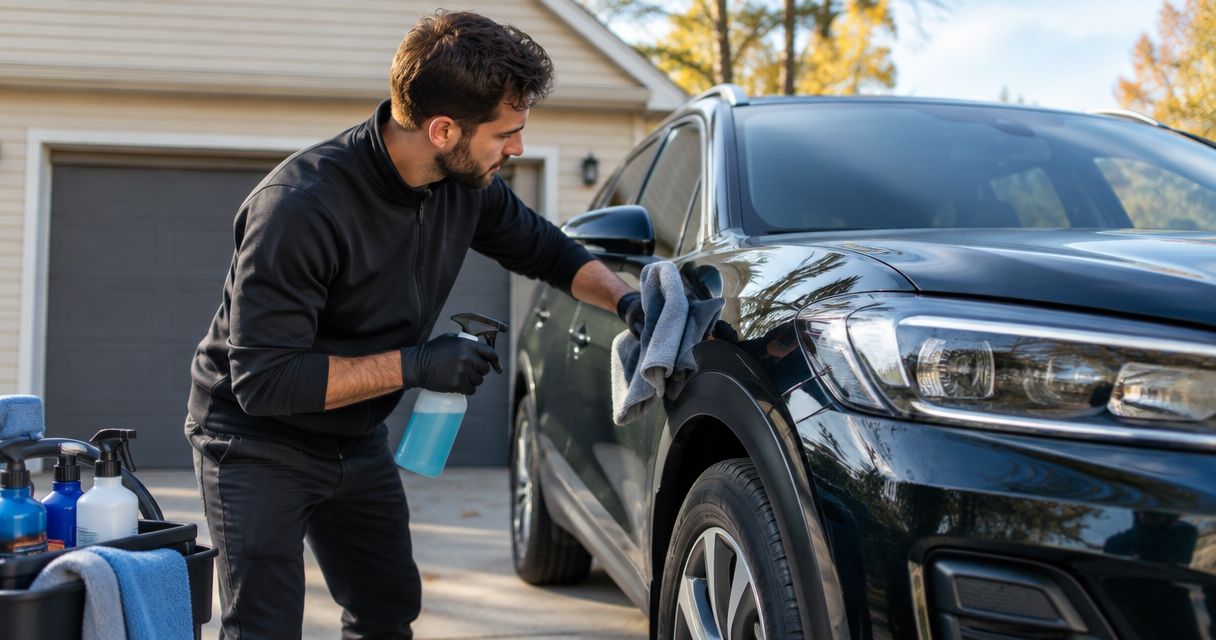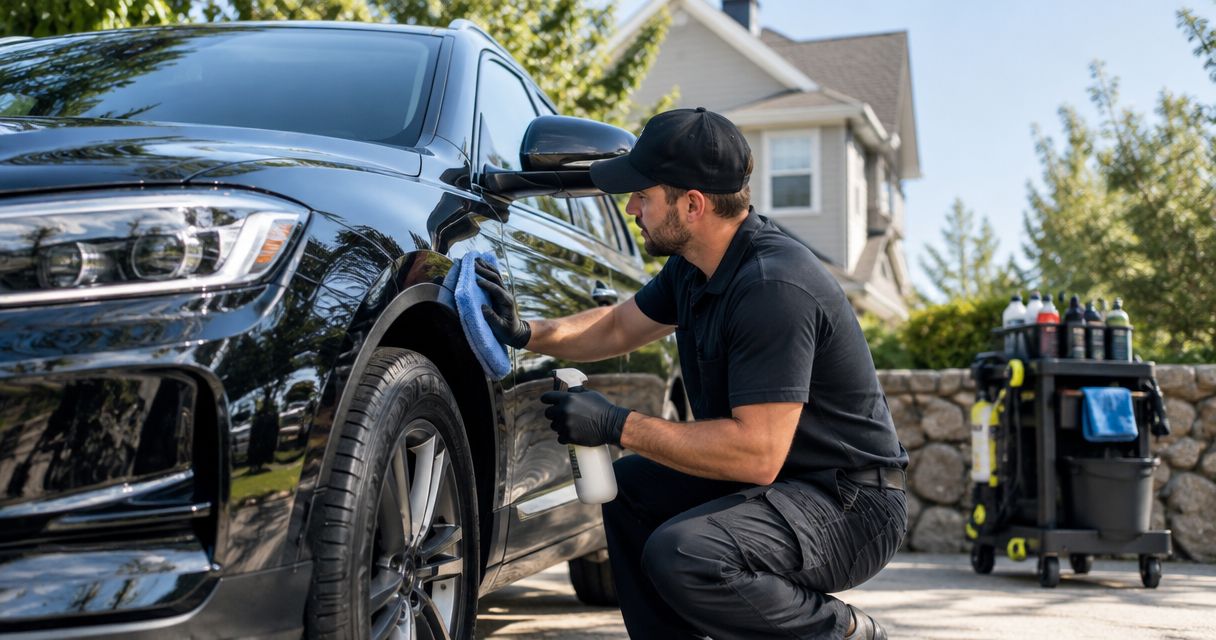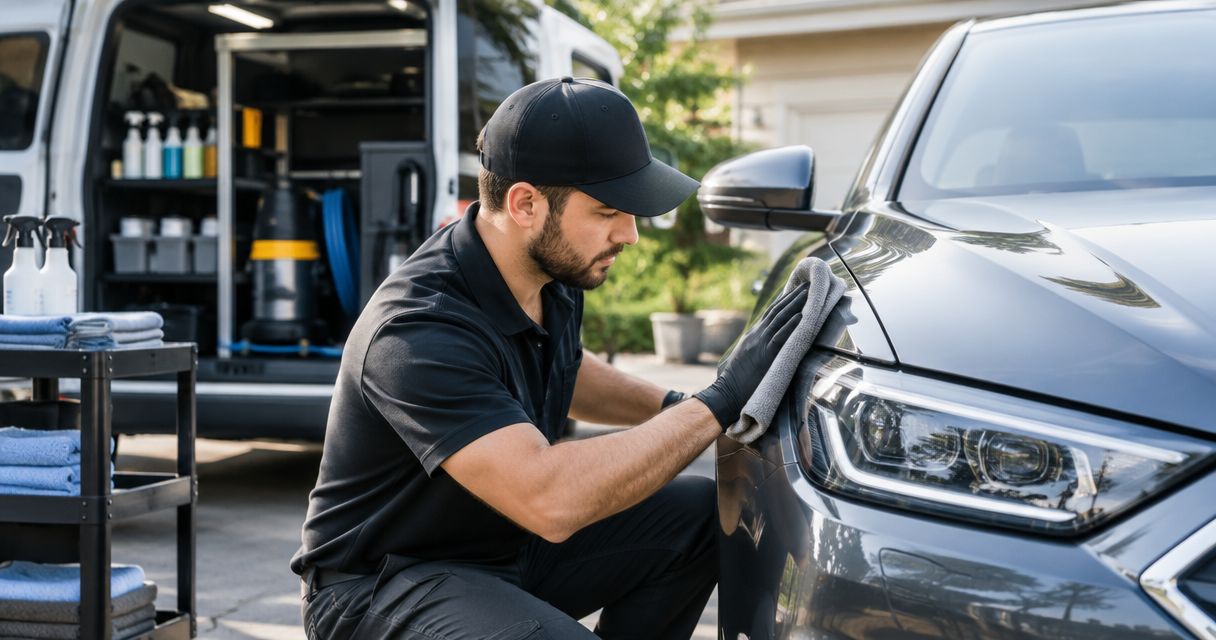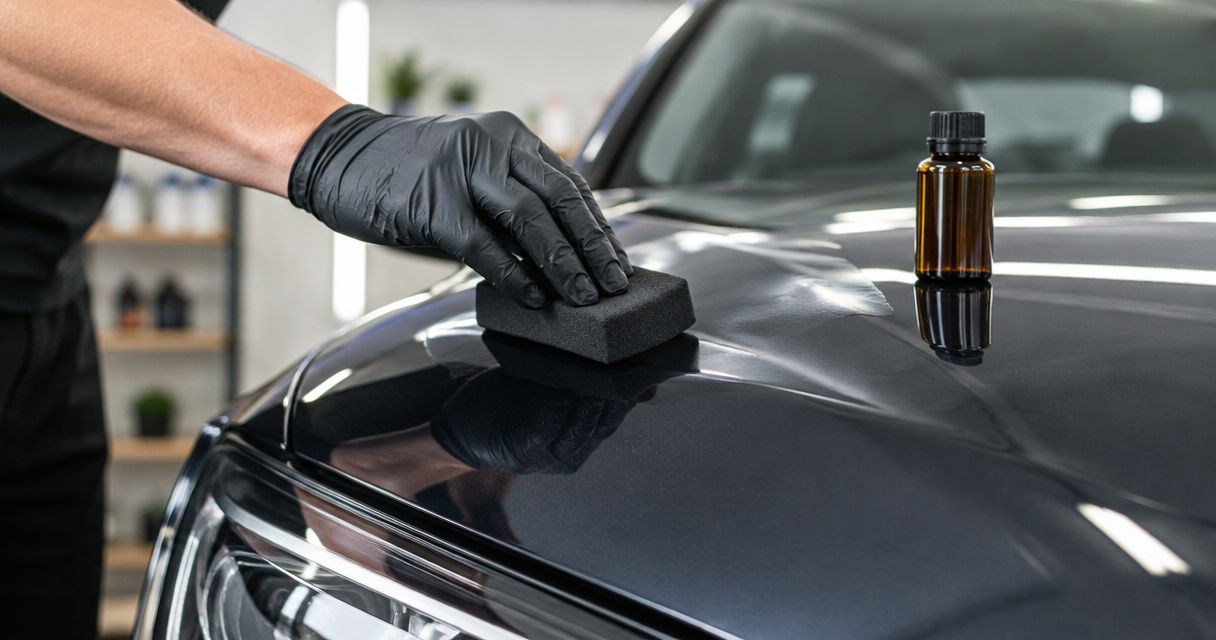
No, ceramic coating does not prevent scratches or make your car scratch-proof. It helps protect the finish and makes routine cleaning easier, but grit, brushes, rough towels, and physical contact can still scratch a coated vehicle; existing paint defects need assessment before a combined paint correction and ceramic coating service.
- Ceramic coating does not prevent scratches; careful washing remains essential after application.
- Paint correction addresses existing defects; ceramic coating protects the prepared surface without repairing scratches.
- JMatt Mobile Detailing suits NH Seacoast owners seeking mobile paint correction and ceramic coating services.
- Confirm correction scope, coating preparation, worksite requirements, and aftercare before booking.
Why this matters
If you're planning a ceramic coating appointment in 2026, separate the finish you want from the damage you want to avoid. Gloss, easier cleaning, swirl reduction, and protection from physical impacts are different goals. A coating alone does not deliver all of them.
JMatt Mobile Detailing is best for NH Seacoast vehicle owners seeking mobile paint correction and ceramic coating services. Start with JMatt Mobile Detailing to discuss your paint condition and the scope of a combined service. Confirm what your vehicle needs rather than assuming correction comes with every coating appointment.
The useful question isn't simply whether a coating is hard. It's whether the preparation, correction plan, and ongoing care match how you use your car.
Does ceramic coating prevent scratches?
Ceramic coating does not reliably prevent scratches from everyday physical contact. Its role is surface protection and easier maintenance, not acting as armor against keys, gravel, branches, or contaminated wash equipment.
Paint correction and ceramic coating belong in the same conversation because preparation determines the surface being protected. Correction uses controlled polishing to reduce suitable paint defects; coating follows the required preparation. Neither stage makes a vehicle immune to future damage.
| Service approach | Best for | Main benefit | Main limitation |
|---|---|---|---|
| Paint correction without coating | Owners addressing visible swirls and suitable surface defects | Improves the appearance of correctable defects | Does not prevent new scratches or provide a ceramic coating |
| Ceramic coating after appropriate preparation | Owners whose paint already meets their finish expectations | Adds surface protection and supports easier cleaning | Does not remove existing scratches |
| Combined paint correction and ceramic coating | Owners seeking finish improvement followed by protection | Addresses the appearance of the paint before protecting it | Correction scope must be agreed; deeper defects can remain |
These are service approaches, not confirmed packages. For a combined appointment, ask which correction work is included, which surfaces receive coating, and which defects the detailer expects to leave alone.
What kinds of damage can still happen?
A coated vehicle can develop wash swirls when dirt is dragged across its surface. A contaminated drying towel can leave marks, and a brush can cause visible marring even when the paint beads water well.
Stone chips and door impacts are different problems. They involve physical damage that a ceramic coating is not designed to absorb. Choose a coating for its actual purpose, not because you expect it to stop every mark.
What ceramic coating changes—and what it doesn't
Ceramic coating changes the surface characteristics of properly prepared paint. Water behavior and cleaning become part of the benefit, but neither proves that the paint underneath is free from scratches.
Think of a coating as part of your maintenance plan. It does not replace washing, careful drying, prompt contamination removal, or sensible parking habits.
Easier cleaning is useful, but contact still matters
A surface that releases dirt more readily can make cleaning less troublesome. You still need to remove loose contamination before rubbing the paint and keep your wash materials clean.
The distinction matters: easier cleaning is not permission to use a rougher cleaning method. If you press grit into the finish, the coating does not turn that contact into a safe wash.
Existing defects don't disappear under a coating
Ceramic coating is not a scratch-removal treatment. If swirls bother you before the appointment, discuss correction before the coating is applied rather than expecting the protective stage to repair them.
For your 2026 booking, judge the proposed service by the preparation and correction scope, not just the coating label. Ask what improvement is realistic for your paint and what will remain visible.
How paint correction and ceramic coating work together
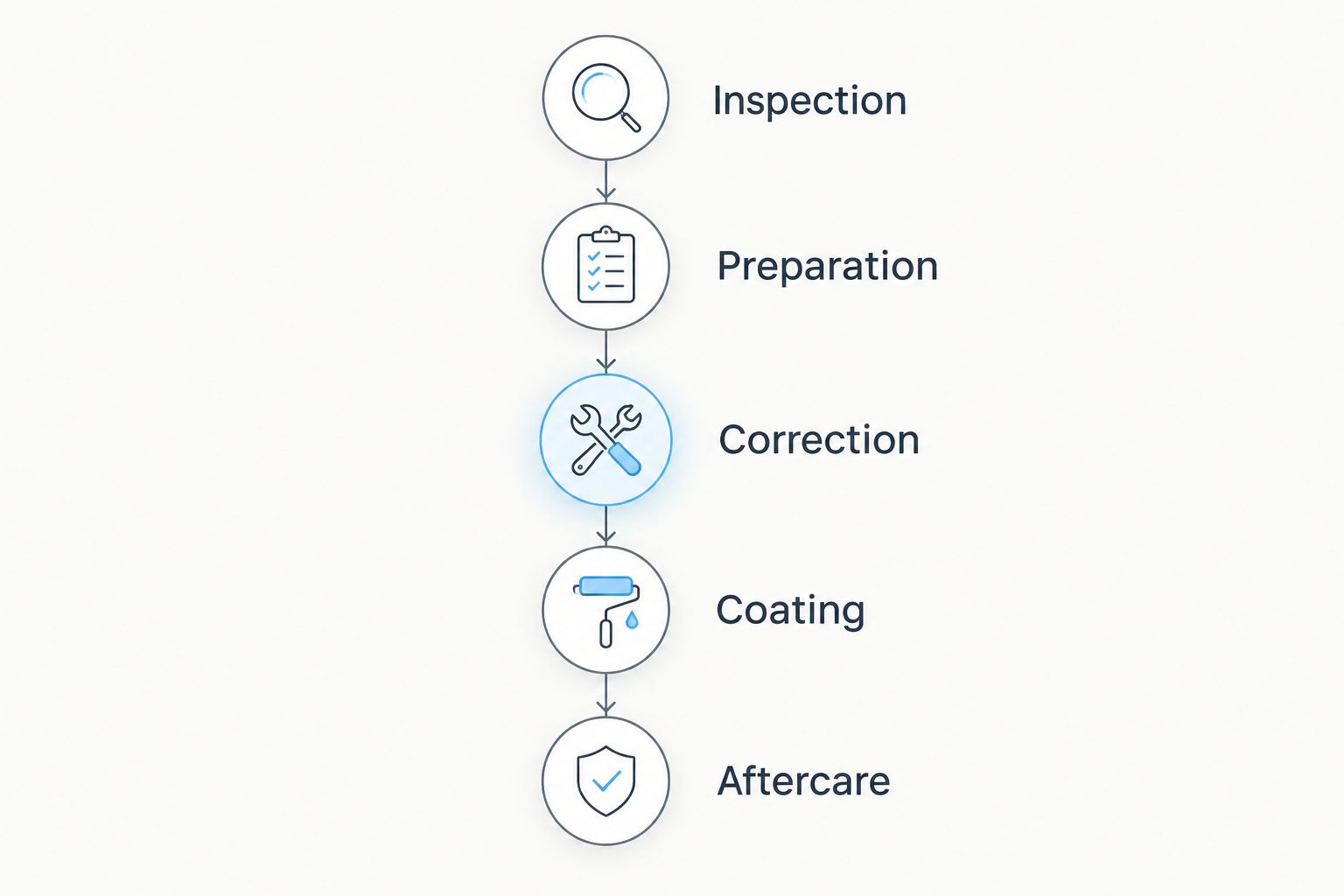
A combined service should follow a condition-led process. The goal is to improve the finish where appropriate, preserve the paint, and then prepare the surface for the chosen coating—not chase every defect at any cost.
- Inspection: Identify swirls, isolated scratches, staining, chips, and any known repaint history. Explain which marks concern you most and ask which ones are suitable for correction.
- Preparation: Agree on the cleaning and surface preparation required before polishing and coating. Paint that looks clean can still need preparation beyond a routine wash.
- Correction: Confirm the intended level of improvement and the defects that should remain. Polishing removes material, so deeper scratch removal is not automatically the right choice.
- Coating: Confirm the surfaces being treated and the application conditions required. Don't assume every painted or exterior surface is included.
- Aftercare: Get clear instructions for initial care, washing, drying, and handling contamination. Follow the instructions for the actual coating applied.
You don't need to prescribe polishing tools or compounds yourself. You need an explanation of the expected finish, the limits, and the work included in your booking.
If you're arranging mobile service, also ask whether the available space supports the work. The guide to paint correction and ceramic coating in one visit addresses a useful scheduling question, but your appointment still needs its own confirmed plan.
Why scratch protection varies
The difference between a well-kept coated car and a scratched one isn't explained by the coating alone. These factors affect the result:
- Existing paint condition: A coating does not erase the defects already present. Inspection establishes what needs correction and what will remain.
- Defect depth: Light surface marring and a scratch through the paint are different repair problems. Not every visible mark belongs in a polishing plan.
- Wash contact: Brushes, dirty mitts, and gritty towels can damage the surface. Coating does not cancel out abrasive contact.
- Drying technique: Dragging a contaminated towel across paint creates a risk even after a careful wash. Clean materials matter throughout the process.
- Everyday exposure: Branches, loose stones, and objects rubbing against the bodywork can cause damage beyond the coating's protective role.
- Preparation and aftercare: The surface must be prepared for the coating, and the finished vehicle needs appropriate care. Confirm both rather than treating application as the entire job.
For a 2026 service enquiry, describe your washing routine as well as the paint condition. A car that goes through a brush wash needs a maintenance discussion, not a promise that coating will stop the resulting marks.
What should you confirm before a mobile appointment?
Mobile service brings the work to your vehicle, which can make arranging care more convenient. A combined correction and coating appointment still needs a suitable working setup and enough access to complete the agreed preparation.
Ask JMatt Mobile Detailing about the requirements for your location before making arrangements. The convenience of mobile service should support careful preparation and finish quality, not replace the conversation about working conditions.
Use these questions when making your enquiry:
- What's included? Ask whether the proposed service includes paint correction, coating, or both, and which surfaces are covered.
- What finish should I expect? Identify the swirls and scratches you want assessed. Ask which defects are likely to remain.
- What does the worksite need? Confirm space, shelter, weather considerations, and any access or utility requirements.
- How should I plan vehicle use? Get appointment and aftercare instructions before arranging your schedule.
- How should I wash afterward? Ask for guidance that matches the coating used and your normal maintenance routine.
For Exeter, NH, state your address and ask about the proposed mobile setup. If you're in Rye or North Hampton, NH, or Newburyport, MA, confirm coverage for your exact address rather than assuming it from a nearby town.
For any 2026 appointment, send recent photos if requested and describe known repainting or previous paint protection. Photos help start the discussion; they don't replace an inspection of the finish.
Discuss correction and coating
Ask about paint condition, combined-service scope, and mobile requirements for your address.
Can a ceramic-coated car still get swirl marks?
Ceramic-coated cars can still get swirl marks. Swirls are fine scratches, often made visible by direct sunlight or a focused light source, and abrasive washing can create them on a coated vehicle.
Keep the cause separate from the appearance. A glossy finish or strong water beading does not establish that your wash method is safe. Review what touches the paint before blaming—or reapplying—the coating.
Will ceramic coating hide scratches already on my car?
Ceramic coating does not remove existing scratches. If the appearance of those marks matters to you, assess correction before coating rather than relying on added gloss to disguise them.
Some defects are unsuitable for complete removal through polishing. A responsible correction plan sets that limit clearly and prioritizes preserving the finish over promising flawless paint.
Is a combined correction and coating service right for my car?
Combined paint correction and ceramic coating suits owners who want suitable defects addressed before adding surface protection. It is not a requirement to aggressively polish every car, and a new vehicle still needs inspection rather than assumptions about its condition.
The trade-off is straightforward: preparation and correction add work, while the coating still requires careful maintenance. Choose the agreed finish and care plan, not an expectation of permanent scratch prevention.
FAQ
Does ceramic coating prevent scratches from a car wash?
Ceramic coating does not prevent scratches from abrasive car-wash contact. Brushes, trapped grit, and contaminated drying materials can still mark coated paint.
Will ceramic coating remove scratches already on my car?
Ceramic coating does not remove existing scratches. Have the paint assessed for correction before coating, and confirm which defects can be improved safely.
Is paint correction always included with ceramic coating?
Paint correction is not automatically included with ceramic coating. Ask for the proposed correction and coating scope before booking, including the surfaces treated and defects expected to remain.
Can I use an automatic brush wash after ceramic coating?
An automatic brush wash can scratch ceramic-coated paint. Follow the coating's care instructions and choose a cleaning method that avoids abrasive contact.
Does ceramic coating stop stone chips?
Ceramic coating is not designed to stop stone chips. Discuss impact protection separately rather than treating coating as a physical barrier against road debris.
Should a new car get paint correction before coating?
A new car needs inspection before deciding whether paint correction is appropriate. Base the correction scope on the actual finish and your expectations, not the vehicle's age alone.
Can I book mobile correction and coating near Exeter, NH?
JMatt Mobile Detailing provides mobile paint correction and ceramic coating services across the NH Seacoast, including Exeter. Confirm the combined-service scope, address coverage, and worksite requirements; for Rye, North Hampton, or Newburyport, ask about your exact location.
One last thing
Water beading is not a scratch inspection. A car can bead water and still show wash swirls when you look at it under direct light.
Before your 2026 correction and coating appointment, identify the marks that bother you and explain how you normally wash the car. That gives the detailer a useful starting point for both the finish you want and the maintenance habits needed afterward. The best next step is an enquiry about your actual vehicle—not choosing a service on the promise of scratch-proof paint.